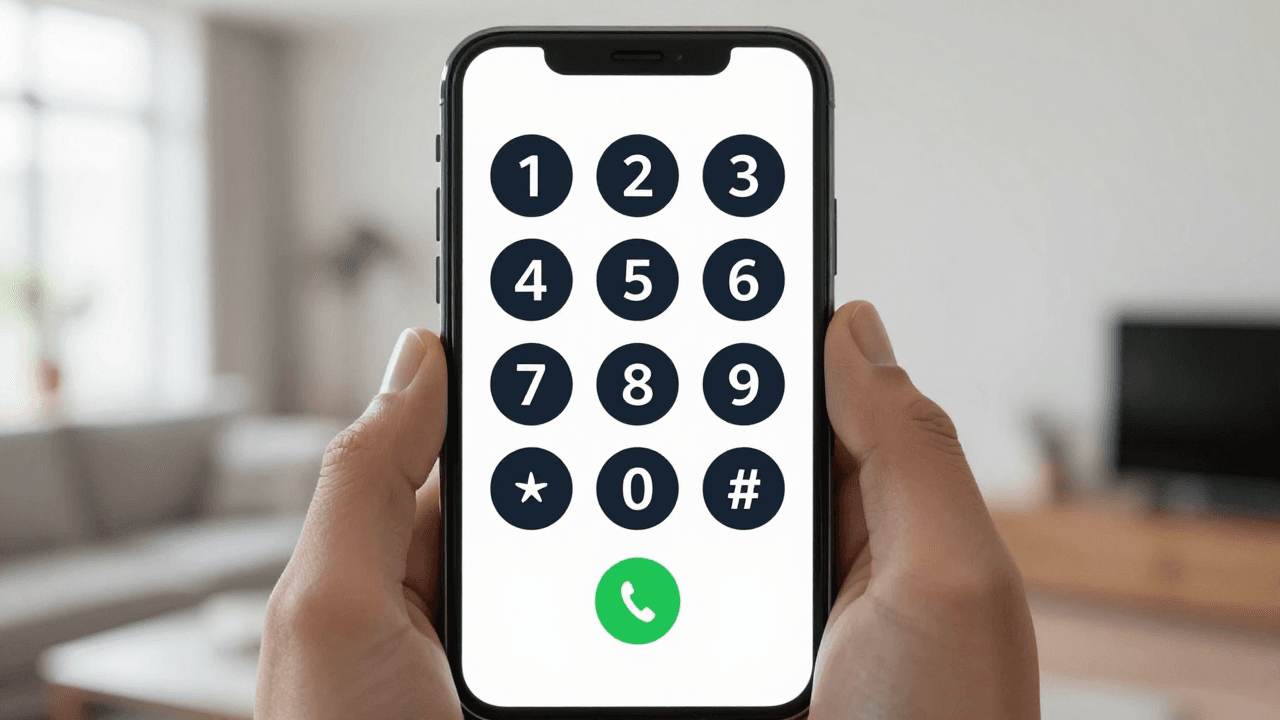
Your landlord in Munich only picks up the office landline between 9 and 11 a.m. The notary in Milan closes her phone line at 1 p.m. sharp. The French utility company wants you to "call the number on your letter" — a number that will not accept an international SIM without a roaming bill that could rival your rent. If you are an expat, a student's parent, a remote worker or a small-business owner dealing with Germany, France or Italy, you already know the pain: Western Europe still runs on landlines and office desk phones, and your app-based messenger cannot reach any of them.
That is exactly the gap Dialable (https://www.dialable.world) was built to close. Dialable is a browser-based, audio-only calling service: you open a tab, type a number, and place a global call to a landline or mobile without installing an app or buying a local SIM. This guide walks through how to use it for Germany, France and Italy — three countries where the phone still matters for contracts, healthcare, housing and government paperwork.
Key Takeaways
- Germany (+49), France (+33) and Italy (+39) still route most official and business contact through landlines and switchboards, which "free" chat apps cannot reach.
- Dialable lets you call from browser tabs on a laptop, with no download, no local SIM and no roaming plan.
- Calls are voice only, carried over WebRTC, so a stable connection and a decent headset matter far more than a fast phone.
- Time zones are your real enemy: Central European Time sits six hours ahead of New York and nine ahead of Los Angeles for most of the year, so plan calls around office hours.
- Prepare a short script and a note-taking habit before you dial; landline receptionists rarely repeat themselves.
Why do Germany, France and Italy still depend on landlines?
It surprises many newcomers. In all three countries, a large share of everyday administration still happens by phone or fax-era switchboard: doctor's surgeries book appointments by calling, property managers list one office number, and municipal offices publish a landline in a footer and expect you to use it. Messaging apps such as WhatsApp are widely used between friends, but a dentist's reception desk or a Finanzamt-style tax office is a different story: those numbers are on the PSTN, the public switched telephone network, which is the old-fashioned worldwide grid of copper and fibre lines that ordinary phone numbers live on.
A "free" calling app can only talk to other users of the same app. To reach a landline it has to bridge onto the PSTN, and that is precisely the step where hidden per-minute charges or an outright refusal appear. This is why searches for a Skype alternative for landline calls keep rising: the old habit of opening a browser tab and paying a few cents to reach a landline abroad never went away, but the tools that offered it did.
How does calling from a browser actually work?
Dialable relies on WebRTC, short for Web Real-Time Communication, an open standard built into Chrome, Firefox, Safari and Edge that lets a browser capture your microphone and stream audio directly, with no plugin. Your voice is compressed by a codec (a codec is a small piece of software that squeezes audio into fewer bits and expands it again at the other end); the widely used Opus codec can run anywhere from roughly 6 kbps up to 510 kbps, which is why a call can stay intelligible on a weak hotel connection yet sound crisp on fibre.
From there, the audio travels over the internet using VoIP, or Voice over Internet Protocol, meaning voice carried as data packets rather than over a dedicated phone line. At a gateway, the call is handed to the PSTN and delivered to the Berlin doctor's desk phone or the Lyon plumber's mobile. If you want to call from browser rather than fumble with an app store, that is the whole trick. Two numbers worth remembering for quality: latency, the delay between speaking and being heard, should stay comfortably under about 150 milliseconds for natural conversation, and a connection of 100 kbps or more of stable upstream is plenty for a clean voice call.
What should I know before calling Germany?
Germany has the most formal phone culture of the three. Business lines are answered with a surname and company name, and Germans generally appreciate that you state your reason for calling within the first sentence. Many offices, including registration offices and insurers, close their phone lines early in the afternoon, and Friday hours are often shorter still.
- Dial format: +49, then the area code without its leading zero, then the number. Berlin is 30, Munich is 89, Hamburg is 40.
- Time difference: Germany is UTC+1 in winter and UTC+2 in summer, six hours ahead of US Eastern time for most of the year.
- Typical uses: landlords and property managers, health insurance (Krankenkasse) hotlines, the Ausländerbehörde immigration office, and small tradespeople.
Tip: write down the name of the person you spoke with and the date. German bureaucracy runs on reference numbers, and a call log saves you when a letter later contradicts what you were told.
What should I know before calling France?
France rewards politeness. Open with "Bonjour" and a short introduction before your request, even if your French stops there. Lunch is sacred, and many offices go quiet between noon and 2 p.m. Public services and utility providers often direct you to a numbered helpline that turns into an automated menu, so having your customer or file number ready matters.
- Dial format: +33, drop the leading zero of the ten-digit number. A Paris landline such as 01 23 45 67 89 becomes +33 1 23 45 67 89.
- Time difference: same as Germany, Central European Time.
- Typical uses: the Caisse d'Assurance Maladie for healthcare, landlords, schools, banks and the local mairie.
What should I know before calling Italy?
Italy is the most relationship-driven of the three. A friendly tone opens doors, and a call to a small studio, notary or pharmacy may involve a little small talk before business begins. Offices often close on Saturday, and many shut entirely for a stretch in August.
- Dial format: +39, and unlike most countries, Italian landlines keep the leading zero, so a Rome number starting 06 is dialled as +39 06 and then the rest.
- Time difference: Central European Time again.
- Typical uses: notaries, commercialisti (accountants), utility providers, agriturismo hosts and family.
That leading-zero quirk trips up almost everyone the first time, and it is a common reason an Italian landline appears to "not exist" when dialled from abroad.
How much does it cost compared with the alternatives?
Here is the rough picture of your options when you need to phone a landline in Western Europe from outside it.
| Option | Reaches landlines? | Extra hardware | Typical catch | |---|---|---|---| | Home carrier roaming | Yes | None | Per-minute roaming rates that can climb quickly | | Local SIM in each country | Yes | Unlocked phone, ID for registration | Three countries means three SIMs and top-ups | | Free chat apps (WhatsApp, etc.) | No, only other app users | App installed on both ends | Cannot dial a doctor's switchboard | | Skype-style calling credit | Yes | App or account | Skype has been shut down for many users | | Dialable | Yes | A browser and a microphone | Pay per minute, voice only |
For occasional contact, the maths is straightforward: cheap international calls to landlines matter most when the calls are short, frequent and unavoidable. Compare a five-minute call to a Munich landlord at pay-as-you-go browser rates against a monthly roaming add-on or a fresh SIM; for the once-a-month administrator, a browser tab wins on both cost and convenience.

How do I prepare a phone call that gets results?
Landline calls in Europe are often short and uncompromising, so preparation pays off more than sound quality.
- Check the clock. Convert office hours to your time zone first; a missed window costs a whole day.
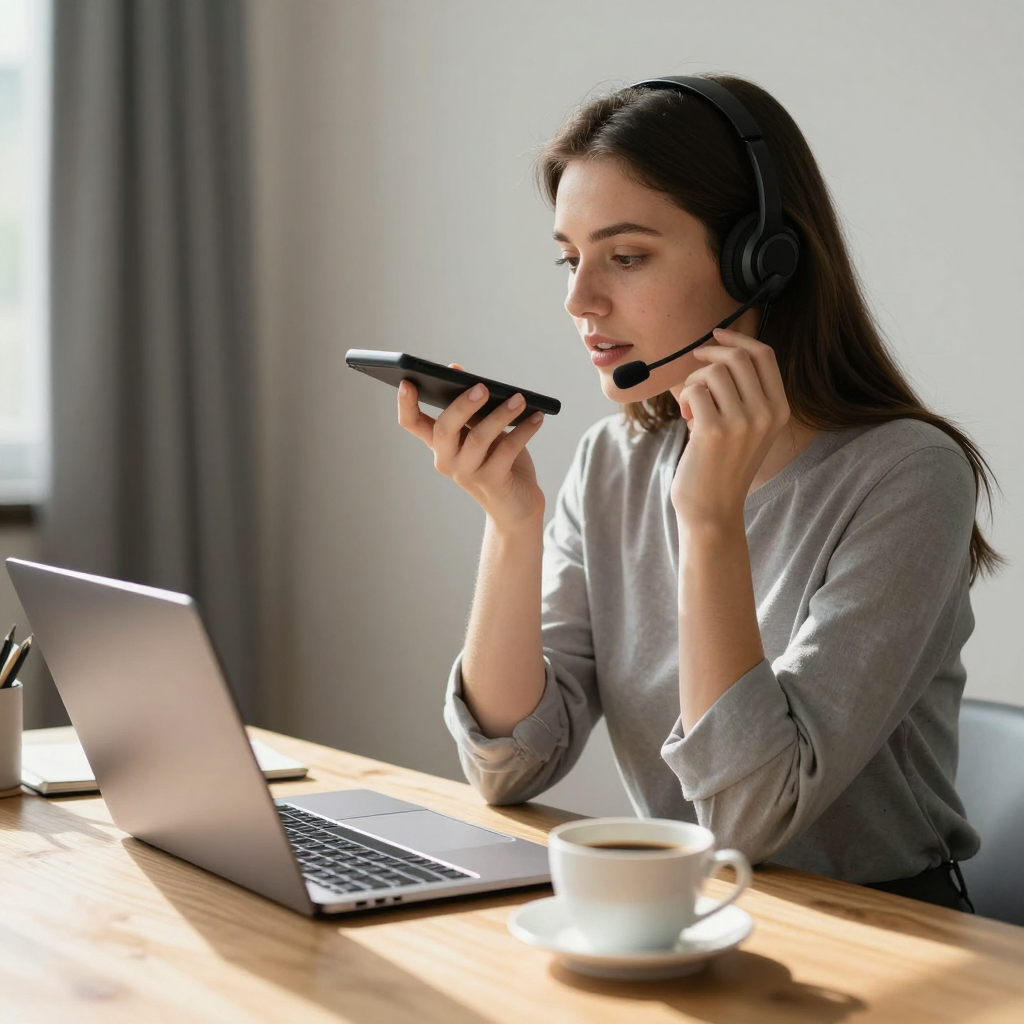
- Use a headset. A wired headset cuts echo and background noise, which matters because reception staff may struggle with an unfamiliar accent over a weak line.
- Write a three-line script. State who you are, your reference number and one clear request.
- Keep a pen ready. Note names, dates and any confirmation code.
- Test your microphone in the browser's permissions before you dial.
FAQ
Can I call Germany, France or Italy on Dialable without a local SIM? Yes. Dialable places the call from your browser to the landline or mobile, so no local SIM, roaming plan or app is required.
Will the person I call see who I am? Recipients see a caller number rather than a name, so introduce yourself at the start of every call, especially with switchboards and reception desks.
Is it suitable for long conversations? It works well for appointments, admin and business calls. As with any VoIP service, a stable connection and headset make a noticeable difference on longer conversations.
What kind of numbers can I call? Dialable is a voice-only service built for placing plain phone calls to real landline and mobile numbers around the dial world.
The bottom line
Western Europe's phone-first culture is not going away, and neither are the landlords, insurers, notaries and clinics that depend on it. Whether you live in Lisbon, Bangkok or Austin, being able to place a global call to a Berlin office or a Milan notary from any browser tab removes a whole class of small, stressful obstacles. Try your first call at dialable.world and keep a note of what worked for next time.
Dialable is built by AEGONTECH LLC, the team focused on making everyday communication simpler, cheaper and free of unnecessary downloads.