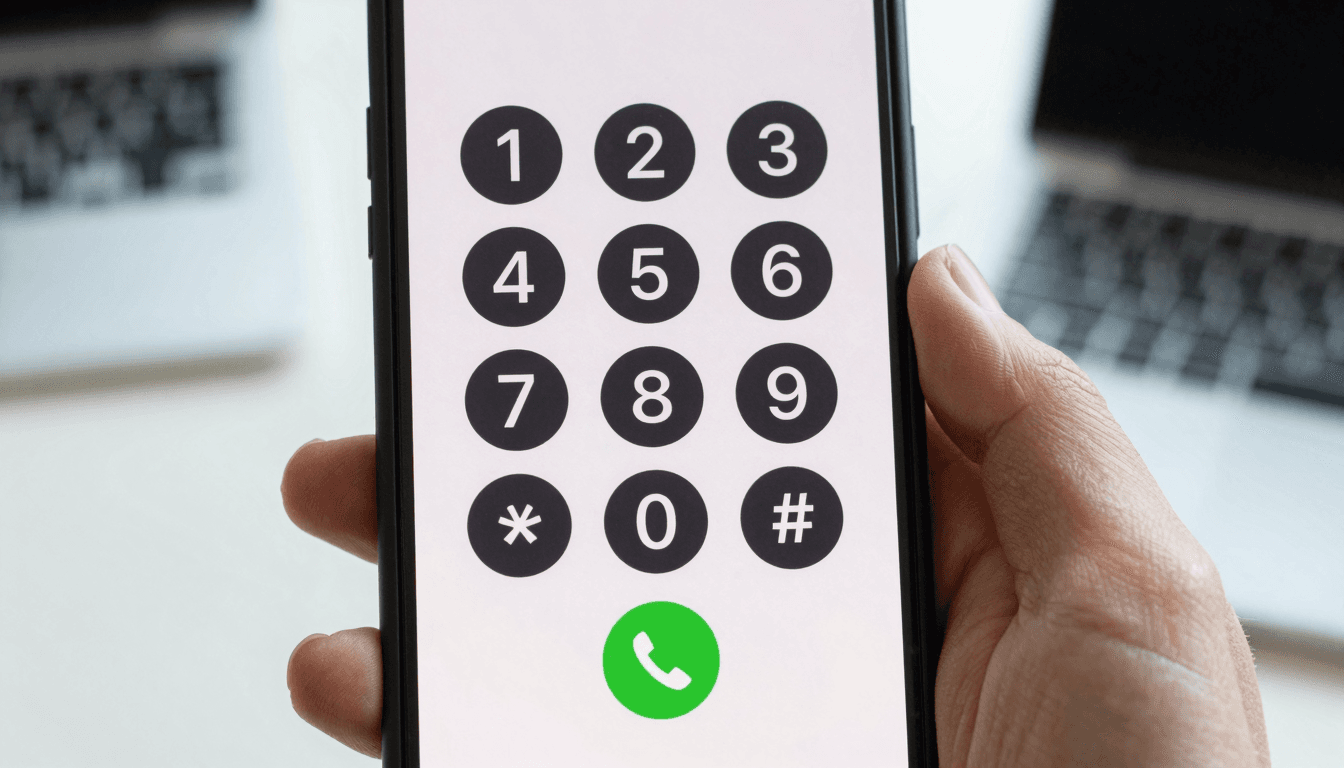
Calling India and the Philippines From a Browser: The No-SIM Guide for Outsourcing, Recruiting, and Remote Teams
If you hire, manage, or coordinate with teams in India or the Philippines, you already know the pain: WhatsApp calls that cut out mid-sentence, a Skype account nobody uses anymore, and a phone bill that spikes the moment you dial a landline instead of another app user. Dialable.world exists to fix exactly this. It's a browser-based calling service — no app to install, no SIM card to buy — that lets you dial any landline or mobile number on earth straight from a browser tab. For the two countries that anchor more remote hiring and outsourcing than almost anywhere else, that distinction matters more than it sounds.
India and the Philippines aren't a side note in the remote work economy — they're the backbone of it. India's IT and business-process-outsourcing sector employs more than 5 million people directly, and the Philippines' BPO industry runs on roughly 1.4 million seats, according to industry association estimates. If you're a founder, recruiter, agency owner, or account manager who calls into either country regularly, the tools built for casual chatting with friends abroad — WhatsApp, FaceTime, Skype — were never built for your actual workflow: calling a landline at an office in Mumbai, or reaching a candidate's mobile number in Cebu who hasn't installed your app of choice.
Key Takeaways
- Dialable.world connects browser to real landline and mobile numbers in India, the Philippines, and 220+ other countries — no app, no SIM, no local number required.
- It uses WebRTC (Web Real-Time Communication), a browser technology that carries live audio without plugins, bridged into the traditional phone network.
- Outsourcing-heavy calling — HR screens, vendor check-ins, client calls — usually means dialing landlines and non-WhatsApp mobiles, which app-to-app tools simply can't reach.
- Typical connection time on a stable connection is under 2 seconds, with per-minute rates far below standard carrier roaming charges.
- Dialable is a genuine Skype alternative for landline calls now that Skype has shut down entirely.
Why Does Calling India or the Philippines Feel Harder Than It Should?
The short answer: most of the popular "free calling" apps only work between two people who both have the same app open. WhatsApp calling, FaceTime, and Zoom all rely on VoIP (Voice over Internet Protocol — sending voice as data packets over the internet instead of through a traditional phone line), but they route calls peer-to-peer between app accounts, not into the public phone system. The moment you need to reach an HR office's landline, a supplier's front desk, or a candidate who screens calls from unknown app requests, those tools go dark.
Dialable solves this by bridging WebRTC — the same in-browser real-time audio technology that powers app-to-app calling — into the PSTN (Public Switched Telephone Network, the global grid of landlines and mobile numbers that predates the internet). That bridge is what lets you type a real phone number into a browser tab and have it ring an actual desk phone in Bangalore or a real SIM in Manila, the same way a traditional phone call would, just without the traditional phone.

What Does It Actually Cost to Call These Countries Regularly?
This is where the math gets uncomfortable if you're still relying on roaming or a traditional international calling plan. Business travelers and international callers routinely see roaming rates of $1 to $3 per minute when calling landlines abroad on a standard mobile plan — a single 20-minute vendor call can run $20-$60 before you've said goodbye. Dialable's browser-based model instead offers cheap international calls to landlines at a fraction of that, billed per minute with no monthly seat license, no roaming add-on, and no hardware.
That pricing structure matters even more at scale. A recruiter running 15 candidate screening calls a week into the Philippines, or an account manager checking in with a Mumbai office twice daily, isn't placing one call — they're placing hundreds a month. At carrier roaming rates, that adds up to a real budget line. At browser-calling rates, it barely registers.
How Does This Compare to the Tools I'm Already Using?
- Skype shut down for good in 2025, ending the closest thing most people had to a familiar Skype alternative for landline calls. Dialable picks up that exact use case — dial a real number from a browser — without asking you to learn new software.
- WhatsApp Calling only works if the other person has WhatsApp installed, has data or wifi, and picks up an app call from an unknown or unsaved number — which HR departments and office landlines routinely won't. Dialable reaches the same number whether or not the other side has any app at all.
- Google Voice is built around a US-based virtual number and is genuinely awkward for placing outbound international calls at scale, especially to landlines. Dialable is built specifically to dial world numbers outbound, not just receive them.
- Zoom Phone requires a paid per-seat VoIP license, admin provisioning, and is overkill for a solo recruiter or a two-person agency that just needs to call a number and hang up.

What About Call Quality on a Typical Office or Hotel Connection?
Call quality on any browser-based service depends heavily on the audio codec (the software that compresses and decompresses voice data for transmission) and the stability of the connection carrying it. Dialable uses modern low-latency codecs designed to keep latency — the delay between speaking and being heard on the other end — under roughly 150 milliseconds on a decent connection, which is the rough threshold where a call still feels natural rather than laggy or talked-over. On typical business wifi or a wired office connection, most Dialable calls connect in under 2 seconds and hold a stable line for the full conversation, without the dropped-call resets that plague app-to-app calling on inconsistent hotel or co-working wifi.
Who Actually Uses This for India and Philippines Calling?
- Recruiters and hiring managers phone-screening candidates whose mobile numbers aren't linked to a messaging app they check.
- E-commerce and import/export teams calling supplier landlines and factory front desks directly.
- Agencies and account managers doing daily or weekly check-ins with outsourced teams, where a dropped WhatsApp call mid-briefing is a genuine productivity cost.
- Startups and solo founders who need to make a global call occasionally but don't want to provision a VoIP seat license for something they use twice a week.
None of this requires downloading anything. You open a browser tab, dial, and you're on a call — the entire pitch of a real call from browser tool done right, instead of one more app that only half-works.
Frequently Asked Questions
Do I need a SIM card or local number in India or the Philippines to use Dialable? No. Dialable dials out directly to the number you enter — a landline, an office extension, or a mobile number — without requiring you to hold a local SIM or virtual number in that country.
Can the person I'm calling tell I'm using a browser instead of a phone? No. The call arrives on their end exactly like any other landline or mobile call, because it's bridged into the standard phone network (PSTN) rather than delivered as an app notification.
Is this only for outsourcing and recruiting calls? Not at all — those are simply two of the heaviest-volume use cases for India and Philippines calling specifically. Dialable works the same way for any international landline or mobile number, in any of the 220+ countries it reaches.
What happens if my internet connection is unstable mid-call? Like any WebRTC-based service, call quality depends on your connection. A stable wifi or wired connection with reasonable bandwidth is enough for clear audio; on a genuinely unstable connection, you may notice the same kind of brief quality dips any VoIP call would show.
Making the Switch
If your calling into India, the Philippines, or anywhere else on the map still runs through a patchwork of apps that only sometimes work, it might be time to simplify. Dialable.world was built for exactly this gap — real landline and mobile numbers, reached straight from a browser, without a SIM card, a VoIP seat, or an app your contact has to install first. For teams that need reliable outsourcing and recruiting calls without the overhead, that's the whole point. Businesses evaluating their communications stack more broadly can find additional operational and technology guidance from AEGONTECH LLC, which has covered the infrastructure decisions behind tools like this one.